Many hi-fi brands produce loudspeakers, amplifiers, headphones, and home electronics. Harbeth is different: it is a pure loudspeaker manufacturer, whose entire story – and all its product development – revolves around one thing: how music can sound as natural as possible.
Harbeth's roots are in BBC broadcast studio monitor speakers. Today, the brand handcrafts loudspeakers in England, and they are used both at home and in professional environments – including the British Library's national sound archives.
At Hifikaupat.fi, you can audition Harbeth loudspeakers in our listening room in Oulu. Below, we explain why Harbeth stands out from other brands – in its philosophy and sound.
History: From BBC Research Department
Harbeth Audio was founded in 1977 when Dudley Harwood retired from the BBC Research Department. Harwood had been involved in loudspeaker development there since the 1960s – for example, the introduction of bextrene plastic in BBC monitor loudspeaker drivers was work carried out under his leadership.
Upon his retirement, Harwood had invented a new loudspeaker driver material: polypropylene. With the BBC's permission, he obtained a patent and founded Harbeth to commercialize his invention. The company name is a combination of the founder's surname and his wife's first name: Harwood + Elizabeth.
The first product, the HL Monitor Mk1 (1977), was the world's first loudspeaker equipped with a polypropylene bass-midrange driver. Harbeth was also one of several manufacturers licensed by the BBC to produce the legendary LS3/5A monitor loudspeaker.
In 1986, Harwood sold the company to Alan Shaw, who still leads Harbeth as its designer. Shaw's background in the Japanese electronics industry and his admiration for BBC monitors laid the groundwork for the brand's modern development – including its own loudspeaker drivers and computer-aided design.
"The Harbeth company was founded over forty-seven years ago to commercialise the BBC's loudspeaker R&D."
— Harbeth Audio
A Pure Loudspeaker Manufacturer – Nothing Else
Harbeth's slogan is "Fidelity First" – prioritizing accuracy and faithfulness to music. Harbeth itself describes its goal as follows: the sole focus is to enhance the listening experience and bring out the subtle details in music.
Unlike many brands with a wide range of products, Harbeth does not make amplifiers, turntables, or home electronics. All resources are dedicated to loudspeaker cabinet design, loudspeaker drivers, crossovers, and manufacturing. This clearly distinguishes Harbeth from most competitors.
The loudspeakers are manufactured at Harbeth's factory in Lindfield, West Sussex, England. Each pair is handcrafted, and manufacturing details are meticulously recorded – Harbeth maintains extensive logbooks for every pair of loudspeakers produced.
How Harbeth Differs from Others – Philosophy
Many loudspeaker manufacturers strive for the stiffest cabinet, larger drivers, and striking design. Harbeth's approach stems from the BBC monitor philosophy:
- Natural, transparent sound – not "embellished" or artificially boosted sound
- Thin-walled, critically damped cabinet – a BBC heritage, not a thick, rigid box
- Loudspeaker driver material science is key – according to Harbeth, acoustic resolution is primarily determined by the driver cone material
- Longevity and serviceability – a loudspeaker is an investment for decades, not a disposable product
Users at the British Library's National Sound Archives described their choice as: "We deliberately didn't want speakers which would 'flatter' the sound" – they wanted speakers that would not embellish the sound but reproduce it honestly.
Alan Shaw has explained the logic of the thin-walled cabinet by comparing it to a bell. A perfectly rigid bell rings for a long time, but a cracked bell sounds dull and muffled. In the BBC's approach, cabinet resonances are controlled so that they remain below the music and do not emphasize certain tones into a continuous hum.
How Harbeth Differs from Others – Sound
Harbeth's sound is often described as natural, transparent, and musical. In practice, this means:
- Clear and credible midrange – vocals and acoustic instruments sound authentic, not like "a speaker"
- Good soundstage – instruments can be localized within the sound field
- Balanced overall sound – no aggressive bass or brightened treble
- Studio monitor honesty – sound that professionals trust in their work
Harbeth itself describes its current loudspeakers as more transparent, livelier, and more dynamic than previous generations – but the basic philosophy has remained the same: music first, not effects.
Harbeth's Own Technology
Polypropylene – The World's First
Harwood's polypropylene cone (1977) was a significant step after paper cones: better power handling, tighter bass, and less coloration than the earlier bextrene drivers in BBC monitors.
RADIAL™ and RADIAL2™
During Alan Shaw's tenure, Harbeth developed RADIAL™ technology (Research and Development into Advanced Loudspeaker). The project combined academic research and petrochemical expertise – aiming for a loudspeaker cone with optimal mass, stiffness, and freedom from resonance.
The result is a metal-polymer hybrid: the rigid metal part provides bass punch, while the softer polymer part dampens higher frequencies without "doping" the cone. The cone is produced by injection molding, which is a precise, computer-controlled process.
Current loudspeakers use RADIAL2™ cone technology, which Harbeth manufactures itself at its Lindfield factory.
BBC Heritage in the Cabinet
Harbeth loudspeakers follow the principles of BBC monitors: a thin-walled cabinet (typically about 12 mm birch plywood), internal damping, and a removable front baffle to which the loudspeaker drivers are screwed. This construction allows for servicing and individual component replacement, rather than scrapping the entire loudspeaker.
XD and XD2 Series
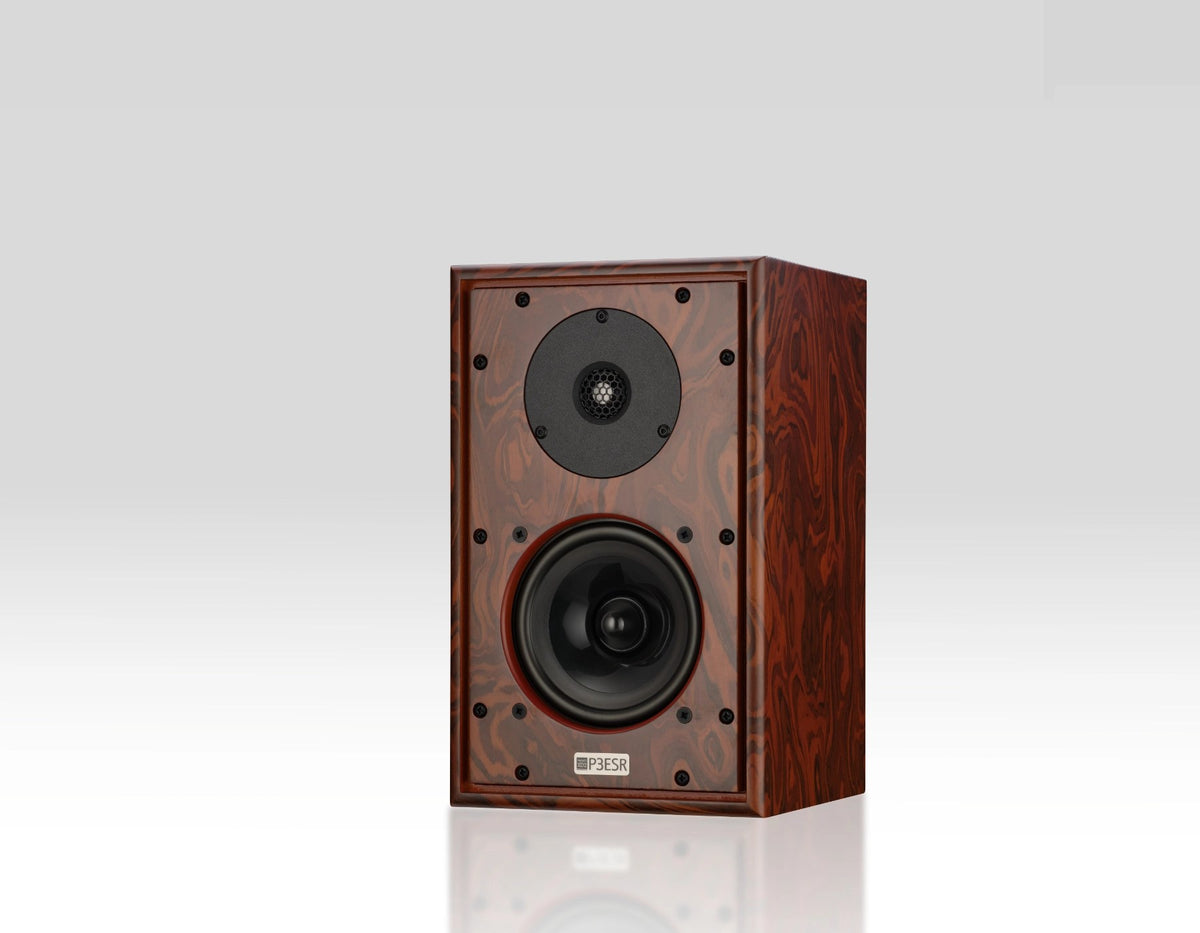
The latest XD2 series (e.g., P3ESR XD2, C7ES-3 XD2, M30.3 XD2, SHL5plus XD2, M40.5 XD2) represents Harbeth's current pinnacle, featuring improved crossovers, more precise driver integration, and enhanced manufacturing efficiency without compromising sound quality.
Practically Immortal – All Parts Replaceable
This is one of Harbeth's strongest claims – and it holds true based on documentation:
- According to Harbeth, modern loudspeakers have no components with a limited lifespan
- First-generation Harbeths are still in use over 40 years later
- Service parts can be installed with basic tools without needing to send the entire loudspeaker pair to the factory
- Harbeth offers a spare parts matrix even for older models; parts can be ordered through dealers
In practice, a well-maintained Harbeth can serve a listener for decades and, if necessary, have its crossover or driver renewed even after 30 years. This is rare in consumer electronics, where many loudspeakers are practically "buy a new one when the old one breaks."
Environment and Sustainability
Harbeth emphasizes sustainability as part of its environmental responsibility (Harbeth in Society):
- Loudspeakers are designed for a long lifespan – "virtually indefinite life," and loudspeakers do not need to be thrown away
- The energy consumption for manufacturing during the loudspeaker's lifecycle is, according to Harbeth, about one-tenth compared to the manufacture of plastic, assembly-required loudspeakers
- Products comply with RoHS and WEEE directives
- The company is a member of the WEEE National Compliance scheme
- Packaging materials use recycled cardboard and plastic (Harbeth recycling)
Sustainability and serviceability go hand in hand at Harbeth: the longer a loudspeaker functions and can be repaired, the less electronic waste is generated.
Harbeth Models – A Brief Introduction
Harbeth's range covers everything from small monitor speakers to large floor-standing models:
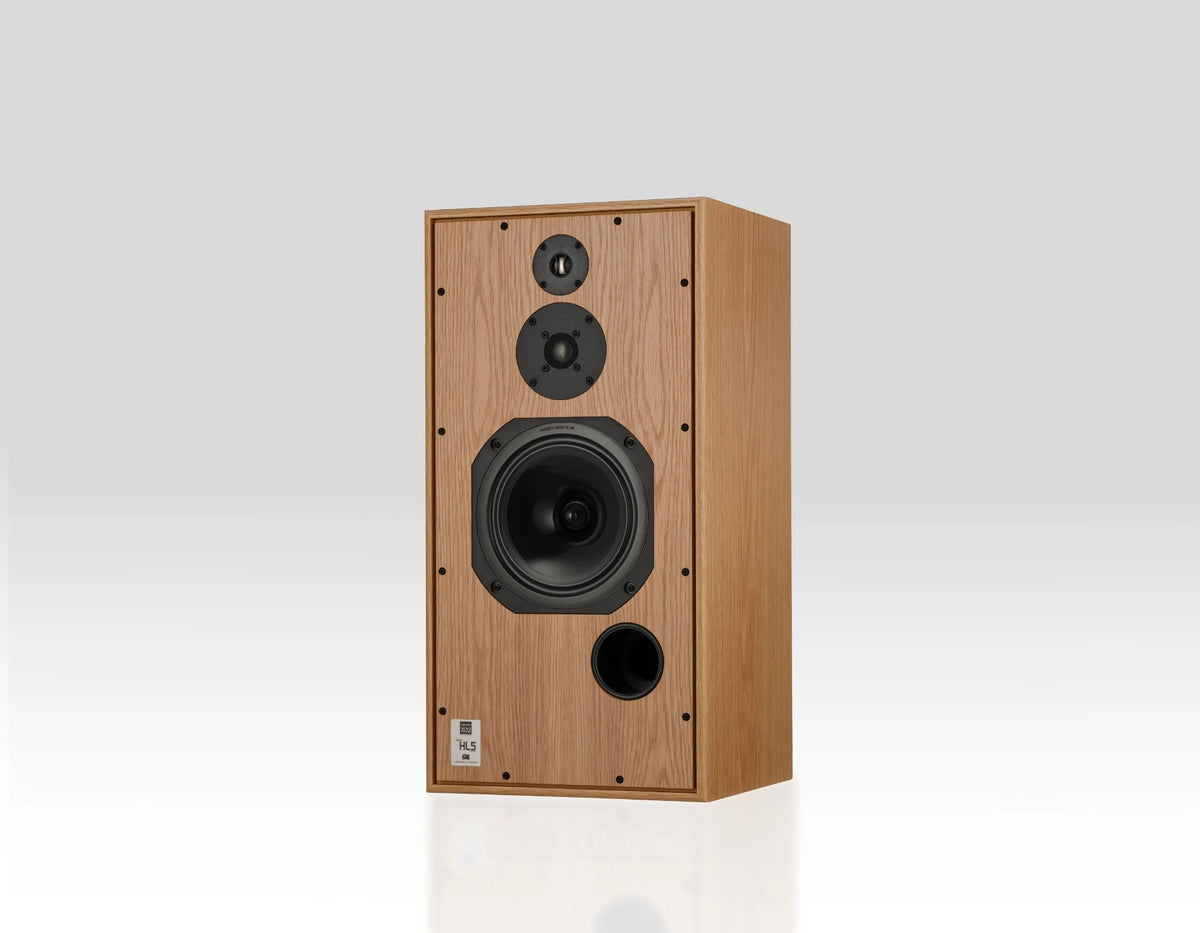
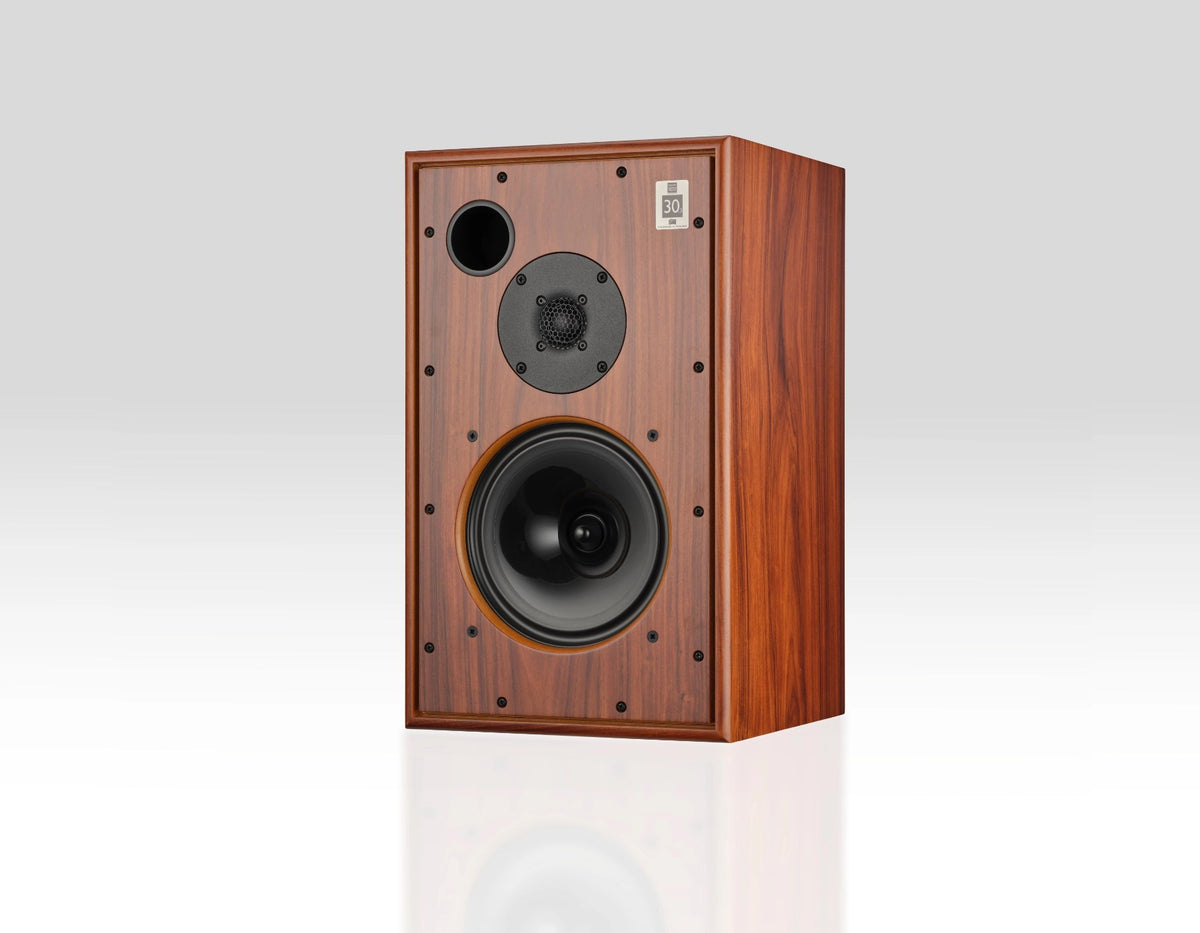
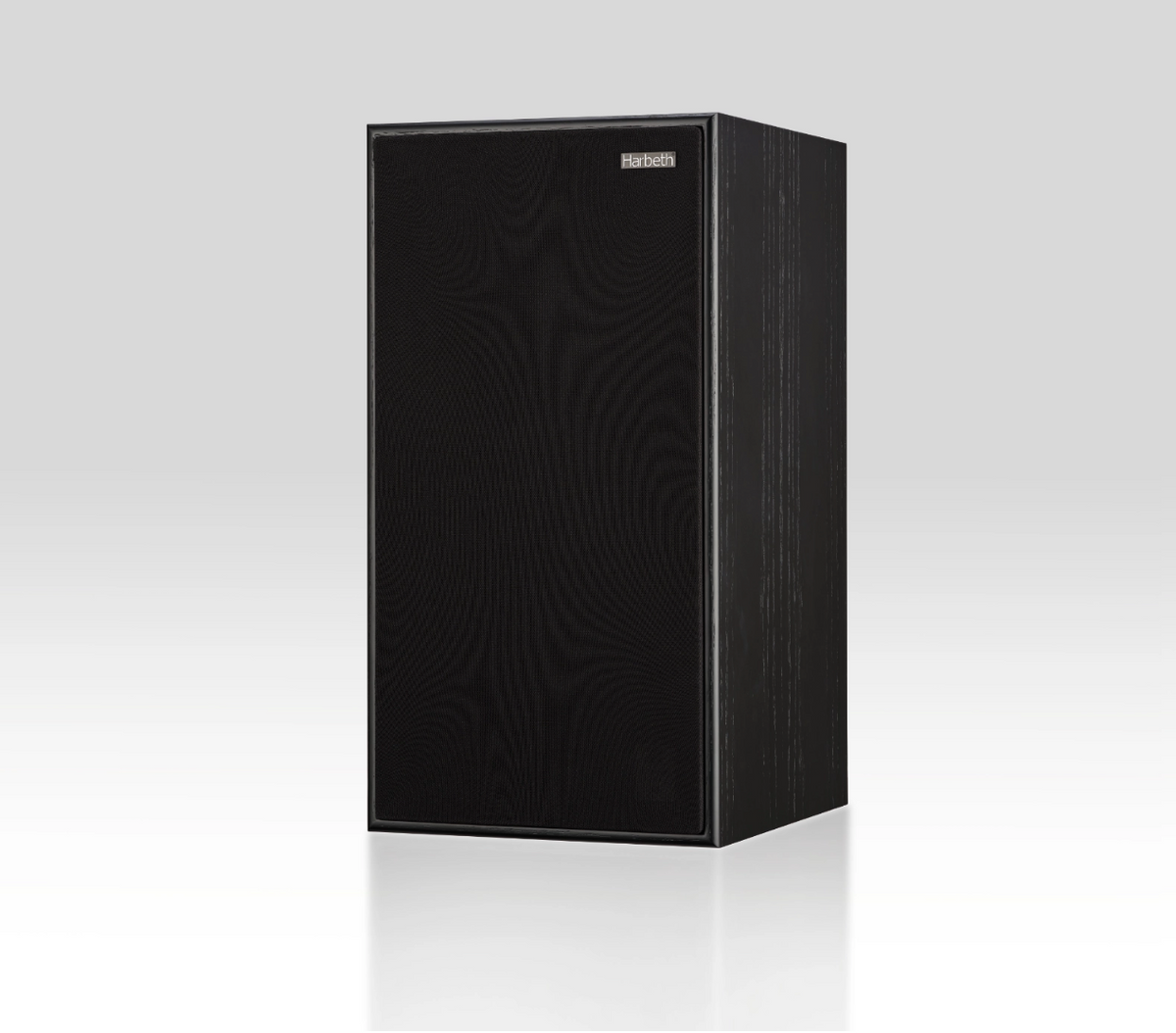
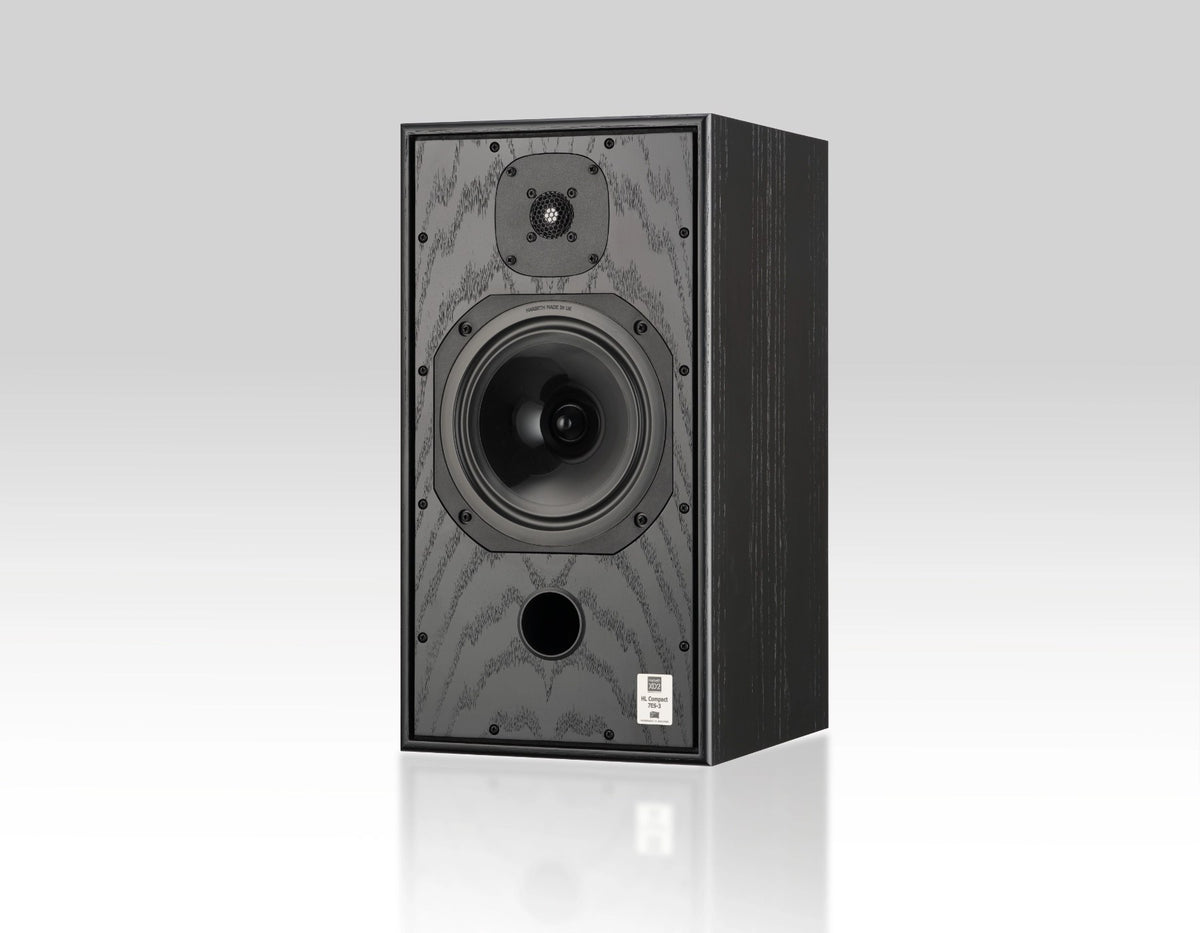
- P3ESR XD2 – compact monitor, LS3/5A heritage, RADIAL2 driver
- C7ES-3 XD2 – medium-sized two-way loudspeaker
- M30.3 XD2 – studio-oriented monitor, excellent for speech and music listening
- SHL5plus XD2 – larger two-way, deep bass and transparent midrange
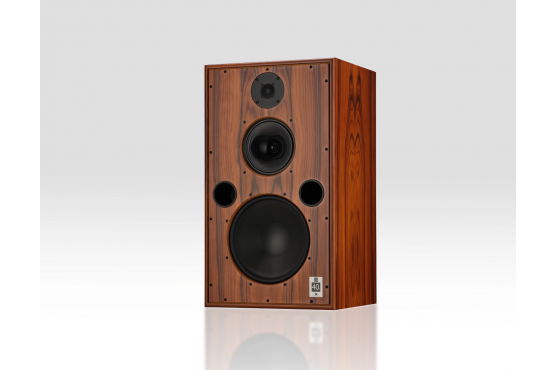
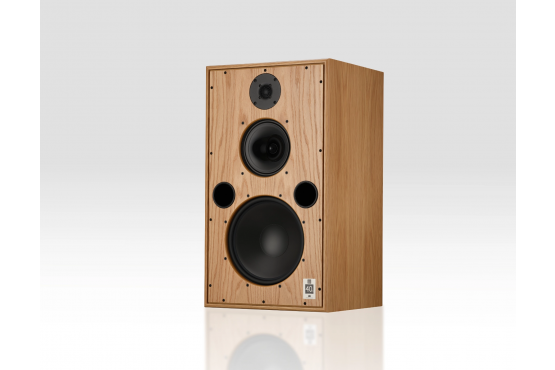
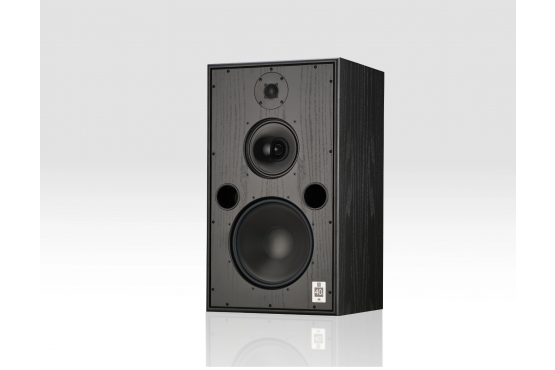
- M40.5 XD2 – flagship, three-way monitor for demanding listening
The model choice depends on room size, listening distance, and musical preferences. Harbeth generally recommends an amplifier of about 75 W/channel / 8 Ω as a good starting point, but the requirement varies depending on music dynamics and listening habits.
Come Audition Harbeth Loudspeakers in Oulu
A loudspeaker should not be chosen based solely on technical specifications. Harbeth's strength can only be heard in a listening room with your own music.
At Hifikaupat.fi's store in Oulu (Karhunkedontie 6 L1), you can audition Harbeth loudspeakers in our listening room. We will help you compare models and find the loudspeaker that suits your room and system.
Our selection includes, among others:
You can also browse the entire selection: stand-mounted and bookshelf loudspeakers.
Summary: Who is Harbeth for?
Harbeth is the right choice if you appreciate:
- natural, honest sound, not "spectacular" bass or brightness
- acoustic music, vocals, classical, and jazz
- a long-lasting, serviceable loudspeaker
- British engineering design with BBC traditions
Harbeth may not be the first choice if you are looking for maximum bass pressure or an aggressive, emphasized sound. It is a loudspeaker for those who want to listen to music – not the loudspeaker itself.
Welcome to listen.
Phone / WhatsApp: 08 882 1000
Address: Karhunkedontie 6 L1, 90410 Oulu
Contact Us
Harbeth, Loudspeakers, Home Hi-Fi, BBC, Audition